Ideas for product teams
Google DeepMind Brings Gemini AI to Physical Robots
Google DeepMind's new Gemini Robotics 2 model brings advanced AI out of the computer and into the physical world. For small business owners, this signals the rapidly approaching era of affordable, everyday physical automation for retail and warehouse tasks.

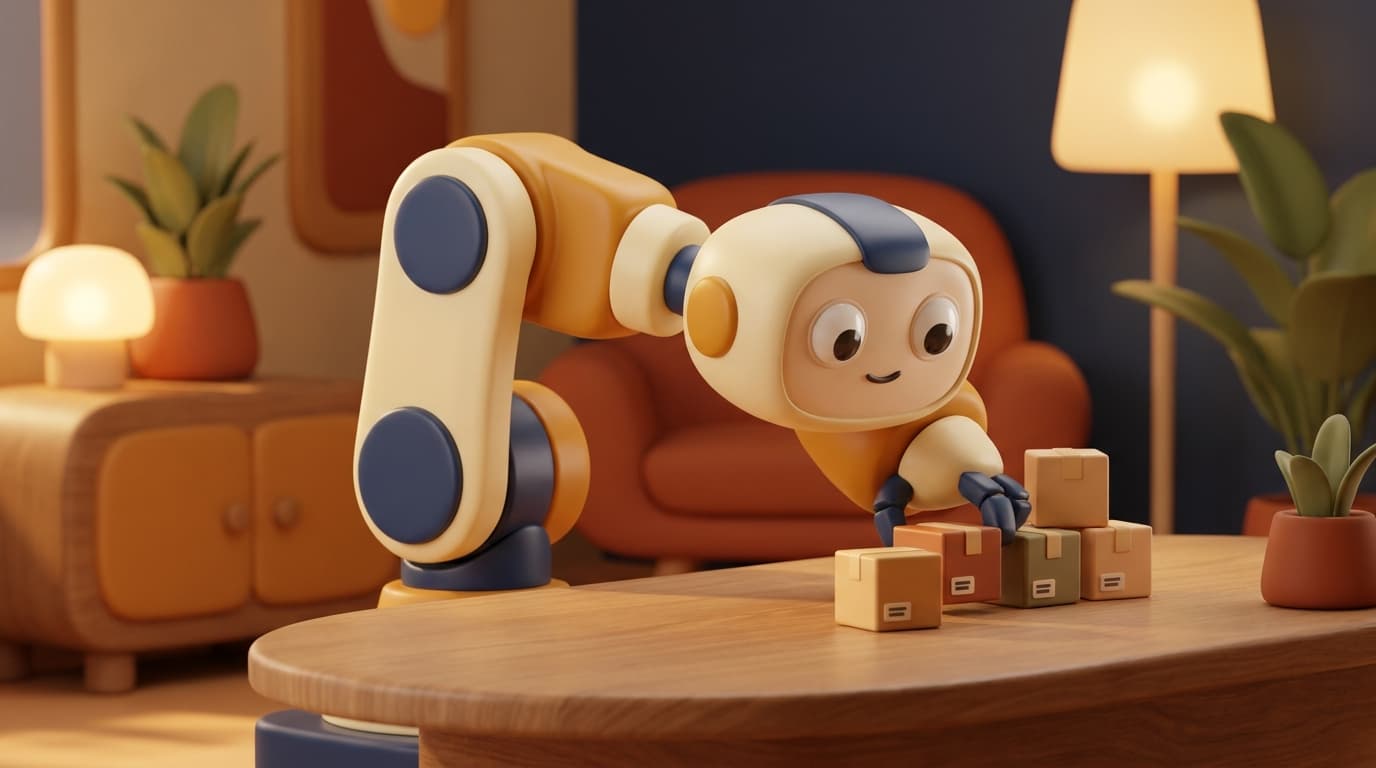
Remember when artificial intelligence was just a clever chatbot on your screen? That era is ending. The smartest software in the world is getting a physical body, and it is about to change how you run your daily operations.
Right now, you probably spend a huge chunk of your payroll on repetitive physical tasks. Unloading boxes, stocking shelves, counting inventory, and packing orders eat up hours of your team's time every single week.
You have likely thought about physical automation before. But if you are like most small business owners, you probably assumed robots were million-dollar machines reserved for massive Amazon warehouses or automotive assembly lines.
That assumption is about to become outdated.
The Brain Behind the Machine
Google DeepMind recently unveiled Gemini Robotics 2. To understand why this matters, think of Gemini as the digital brain that powers Google’s newest AI tools. Now, Google has built a version of that brain specifically designed to control physical machines.
Instead of just generating text emails or writing code, this AI can look through a camera, understand a messy stockroom, and tell a robotic arm exactly how to pick up a fragile ceramic mug without dropping it.
In the past, engineers had to write custom code for every single movement a robot made. If you moved a box two inches to the left, the robot would break down and fail. Gemini Robotics 2 changes this. It gives robots "spatial intelligence"—the ability to look at a new environment, understand what is happening, and adapt on the fly.
Because this is a standardized AI model, one "brain" can power many different types of machines, from a simple tabletop robotic arm to a mobile cart. This standardization means the cost of manufacturing and buying these robots is about to plummet.
What This Means for Your Business
While humanoids making you coffee still sound like science fiction, practical automation is rapidly approaching your local retail store or warehouse. Here are four concrete ways this technology will soon impact small and medium businesses:
1. Automated Inventory Audits
Imagine a small, wheeled robot rolling through your retail aisles or warehouse after closing. Using cameras and AI, it scans your shelves, identifies missing items, spots misplaced products, and updates your inventory management software by morning. No more manual weekend stock counts.
2. Backroom Sorting and Packing
Tabletop robotic arms are becoming cheaper and smarter. Powered by models like Gemini, a $5,000 robotic arm could soon sit in your backroom, picking specific products out of a bin and safely packing them into shipping boxes for your e-commerce orders.
3. Seamless After-Hours Cleaning
You are probably familiar with automated vacuums. But with advanced spatial intelligence, commercial-grade cleaning robots will navigate complex, changing store layouts without getting stuck. They will mop floors, empty specific trash bins, and prep your space for the next business day without human supervision.
4. Heavy Lifting and Restocking
Moving pallets of goods from the loading dock to the stockroom is backbreaking work. Affordable, AI-driven mobile platforms will soon handle this heavy lifting. Your team can simply point to a pallet, and the machine will safely navigate around employees and tight corners to deliver the goods exactly where they belong.
Your Realistic First Step
You do not need to go out and buy a robotic arm today. The hardware is still catching up to the software. But you do need to prepare your business for when these affordable machines hit the market over the next two to three years.
Your best first step? Digitize and organize your physical operations right now.
Robots thrive in structured environments. If your inventory is not barcoded, your stockroom is a disorganized mess, and your processes live entirely in your head, no AI robot will be able to help you.
Start by implementing a strict inventory management system. Barcode every item. Organize your backroom with clear aisles and labeled bins. Document your standard operating procedures for packing and sorting. By creating a clean, digital map of your physical business today, you lay the exact foundation a robotic system will need tomorrow.
The Future is Physical
The leap from the computer screen to the store floor is happening faster than anyone predicted. Affordable physical automation is no longer just for the retail giants—it is coming to main street.
Are your operations organized enough to take advantage of it?
If you want to stay ahead of the curve on practical AI tools for your business, subscribe to our weekly newsletter today. We cut through the tech jargon and tell you exactly what you need to know to grow.
Keep my writing close.
Choose Brendan Tack as a preferred source to spot my writing more easily on Google.
Add as preferred sourceOpens Google in a new tab. You choose whether to add me.
What does this do?
This is a personal Google preference, not an email subscription. Google may show more of my writing when it is relevant to your searches. You may need to sign in, then confirm your choice on Google. You can change your preferred sources there at any time.